Table of Contents
Key Engineering Highlights
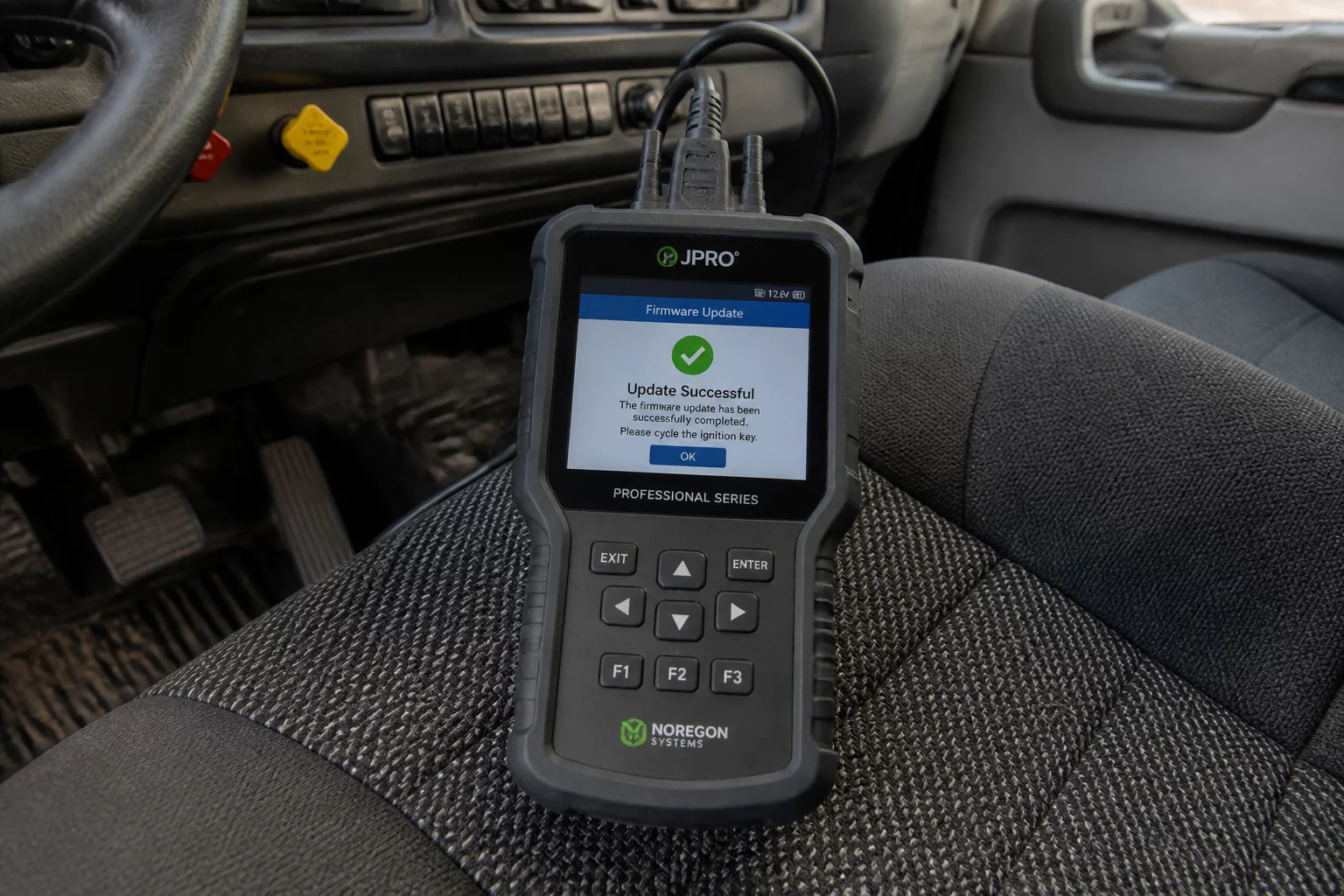
Technicians and diagnostic specialists will observe significant improvements in communication stability and controller handshakes across newly supported architectures.
- Direct bench and OBD-II read/write operations without opening sealed modern controller enclosures.
- Automated multi-block memory verification eliminates corrupted flash sequences on high-speed CAN FD transceivers.
- Extended support for heavy commercial powertrain controllers alongside modern passenger microcontrollers.
Protocol Architecture and Controller Families
With over 300 newly integrated communication structures, the OBDSTAR Master firmware release delivers comprehensive coverage across Bosch, Delphi, Continental, and Denso microcontrollers. The implementation revamps the cryptographic handshake layer, streamlining access to protected boot regions while maintaining strict verification protocols across all active diagnostic sessions.
Automotive repair specialists benefit directly from expanded coverage on commercial vehicle platforms. Dedicated communication scripts now parse heavy-duty transmission parameters and auxiliary body controller data streams seamlessly, reducing connection dropouts and handshake timeouts on congested networks.
Bench Interfacing and Live Parameter Telemetry
Diagnostic operations require deterministic signal integrity across bench harnesses. The updated firmware pipeline optimizes clock timing on SPI and UART bridges, yielding transfer rates up to 45% faster during full EEPROM and shadow flash extractions.
Always verify harness voltage regulation before initiating boot mode sequences on 24V commercial control units to avoid over-voltage feedback to the programmer.
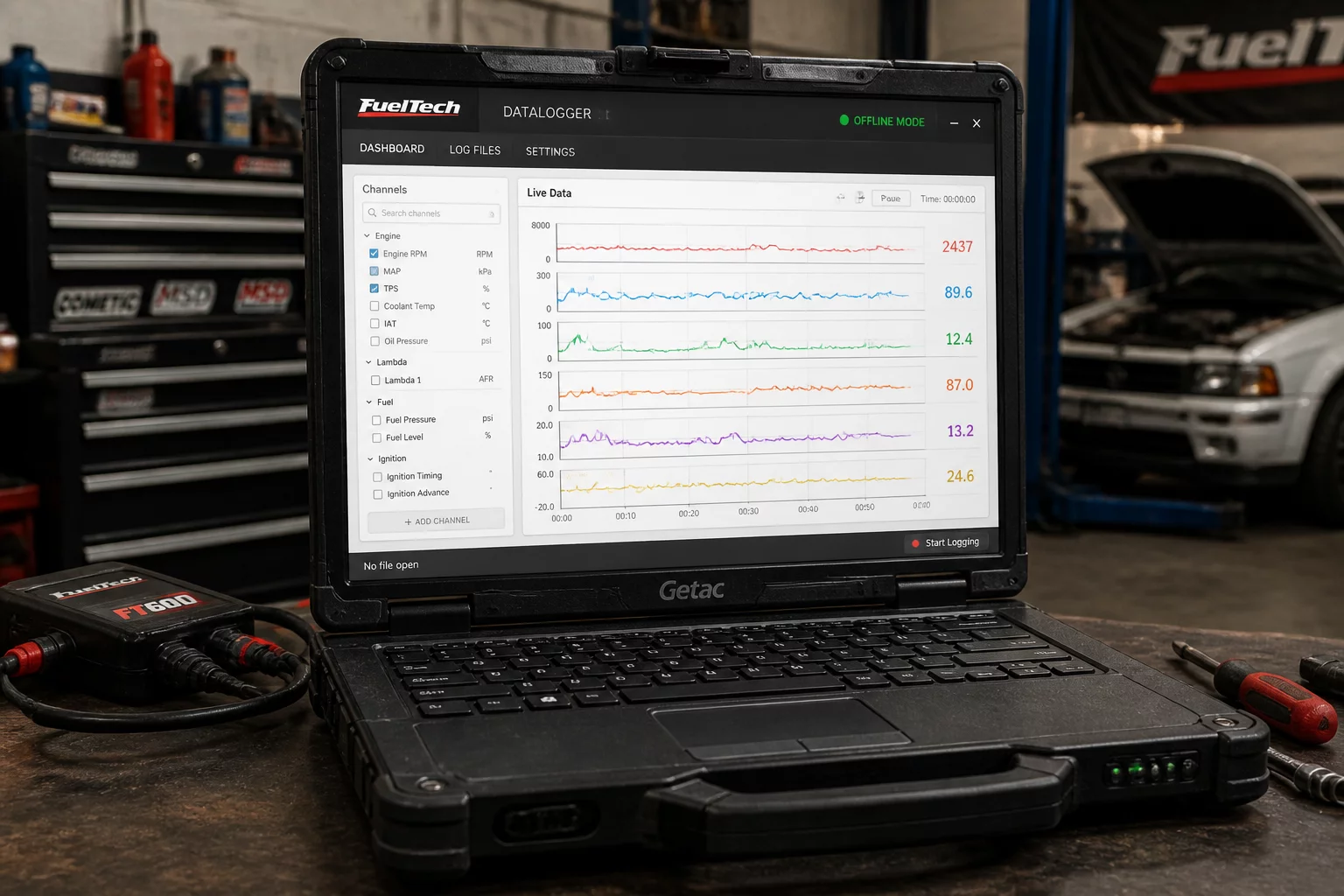
Field data indicates consistent telemetry capture across varying bus loads. Engineers can log high-frequency sensor readings, dynamic fuel trim corrections, and actuator test sequences without encountering buffer overruns or dropped frames during live actuation cycles.
Technical Specifications and Communication Standards
The following matrix summarizes core technical parameters, verified protocol families, and interface requirements introduced in the latest firmware update:
| Parameter | Diagnostic Specification | Verification Standard |
|---|---|---|
| Bus Interfaces | CAN FD, DoIP, K-Line, J1850 | ISO 11898-1 / ISO 13400 |
| Memory Read/Write | Flash, EEPROM, Shadow ROM | 64-Bit Automated Checksum |
| Operating Baud Rates | Up to 5 Mbps (CAN FD) | SAE J1939 / J1979-2 |
| Power Input Range | 9V - 32V DC Universal | Heavy-Duty & Light Vehicle Compliant |
No comments yet. Be the first to leave a comment.