Table of Contents
Key Operational Takeaways
Technicians handling modern security-locked engine control units (ECUs) gain substantial efficiency improvements through localized processing:
- Complete elimination of international customs delays, compressing round-trip transit times to standard domestic courier schedules.
- Full preservation of OEM diagnostic seed keys and cryptographic digital certificates across all bench unlock stages.
- Immediate hardware interoperability with existing AutoTuner Master and Slave tool environments without supplementary licensing fees.
Architectural Overview & Domestic Infrastructure
Modern engine control architectures increasingly utilize onboard Hardware Security Modules (HSM) and cryptographic microcontrollers that restrict direct OBD-II write privileges. Diagnostic calibrators regularly receive vehicle control units that mandate physical boot-level unlocking prior to map calibration or deep sensor telemetry exploration. Previously, North American facilities were forced to consign sensitive control modules to overseas labs, incurring customs delays, potential transit damage, and extensive customer downtime.
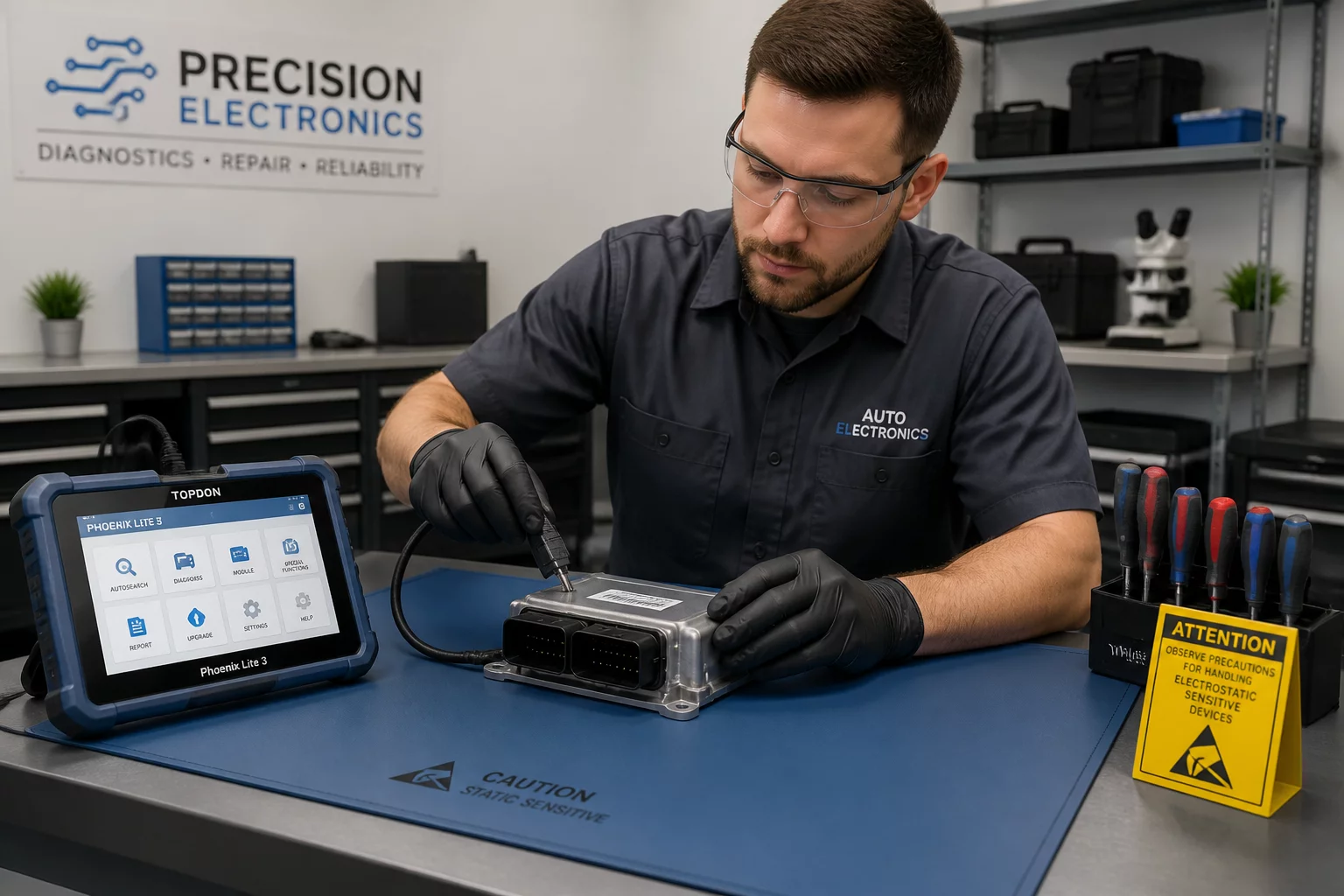
AutoTuner USA addresses this operational hurdle through a domestic technical center equipped with automated unlock rigs and micro-soldering inspection arrays. ECUs entering the facility undergo immediate static impedance verification, power-rail scoping, and automated seed-key negotiation under stringent ESD protections. The process opens read and write channels while fully preserving factory bootrom tables and OEM diagnostic routines.
Hardware Interfacing & Telemetry Verification
Unlocking microcontroller platforms like the Infineon TriCore Aurix TC2xx/TC3xx and Bosch MG1/MD1 series requires meticulous signal integrity. Incomplete bootloader execution or erratic bus voltage can corrupt NVRAM areas or erase learned fuel trim registers. The domestic laboratory utilizes filtered linear power supplies and high-speed CAN FD / DoIP transceivers to ensure communication stability throughout the unlocking sequence.
Always verify ECU internal checksum tables and confirm SAE J1979-2 Mode $01 telemetry readouts immediately following module return before conducting wide-open throttle dyno sessions.
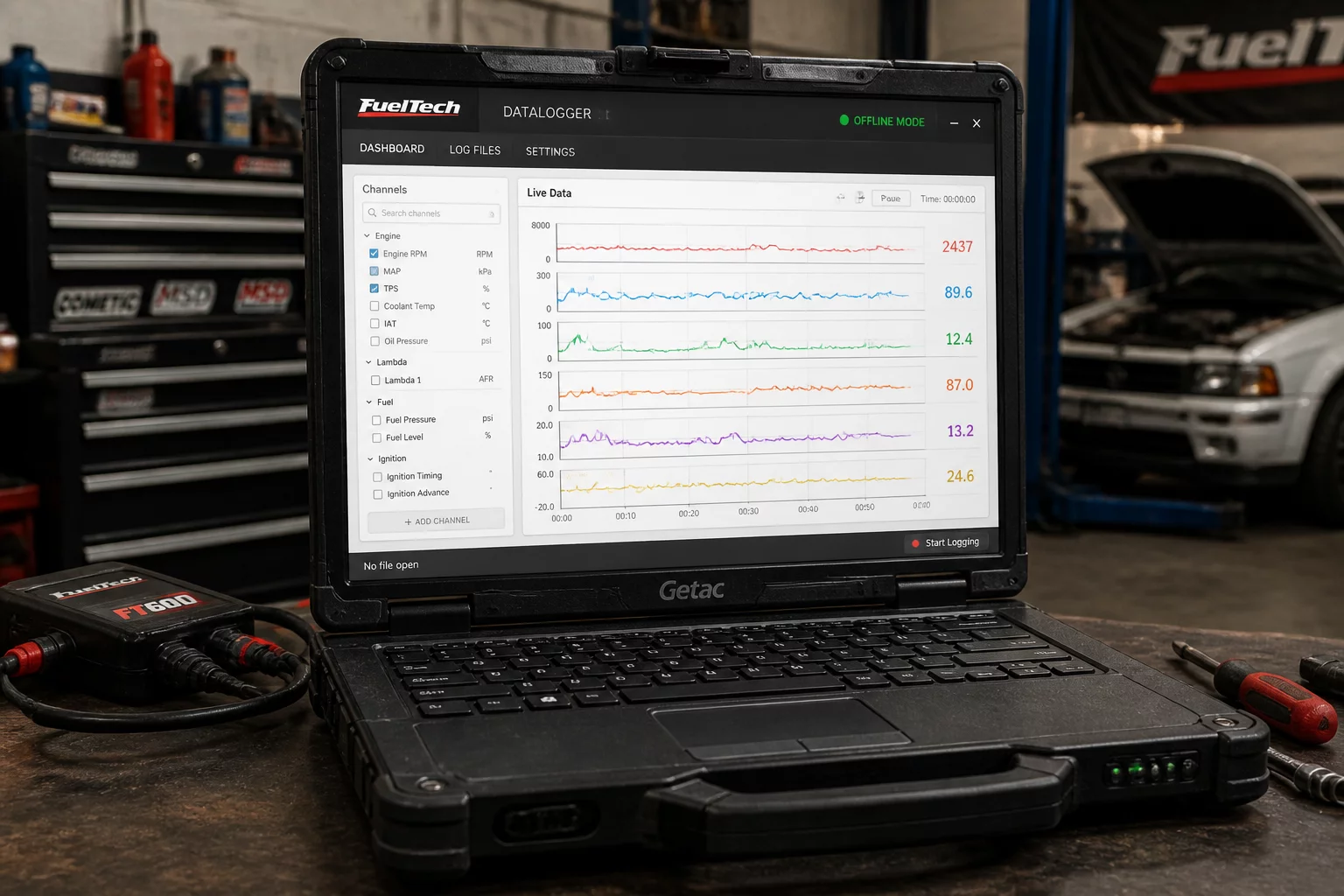
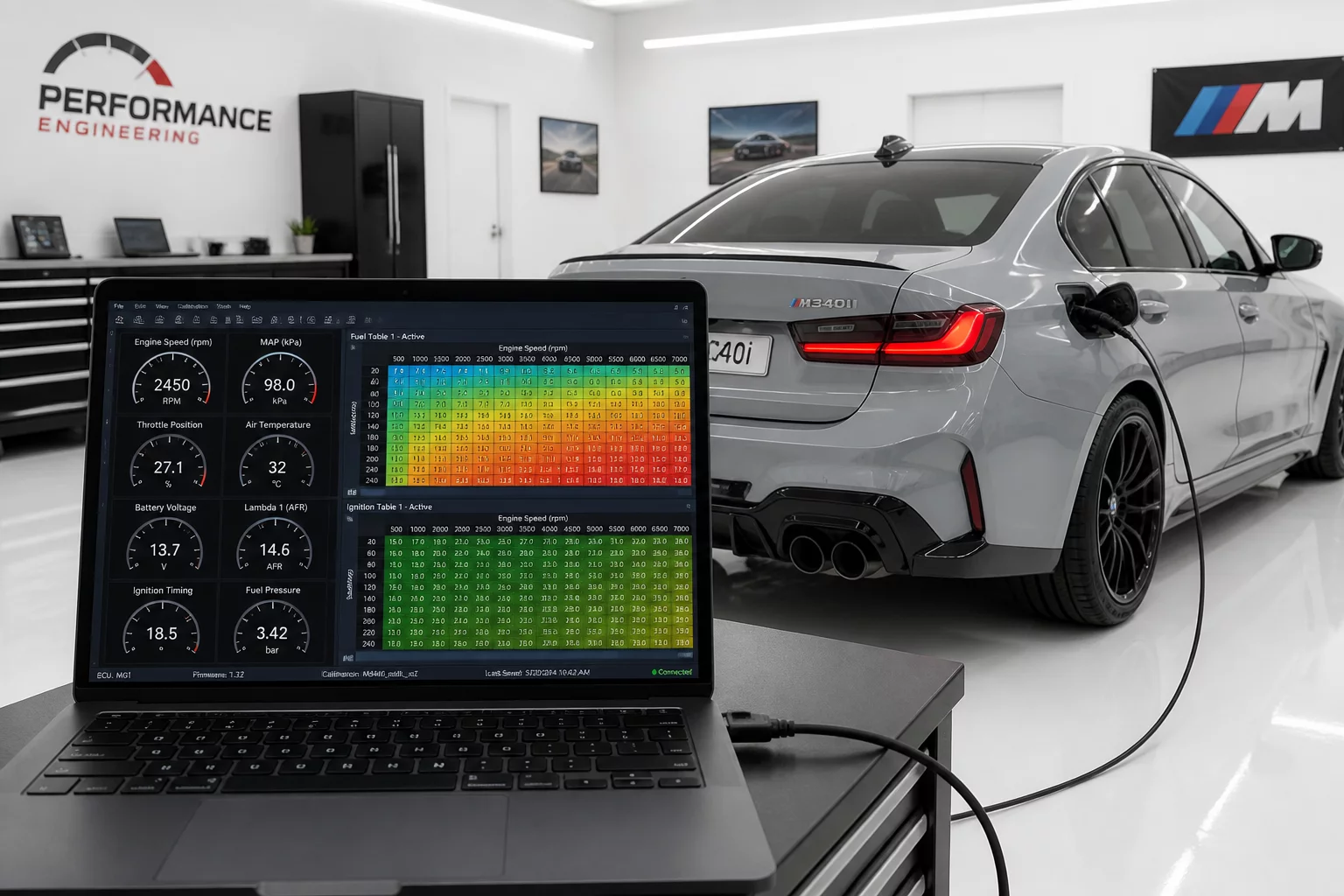
Each returned control module includes a signed digital authorization token recognized across the AutoTuner software suite. Technicians can immediately connect their standard tool via bench harness or vehicle OBD port to read calibration memory, log high-frequency sensor channels, and write revised data blocks.
Bench Protocol & Communication Specifications
The operational specifications below summarize the technical communication parameters verified across the domestic service pipeline:
| Parameter | Diagnostic Specification | Verification Standard |
|---|---|---|
| Supported Microcontrollers | Infineon TriCore Aurix (TC2xx / TC3xx), Renesas RH850 | ISO 14229 / UDS Standard |
| Network Bus Protocols | CAN FD (up to 5 Mbps) & Ethernet DoIP | ISO 11898-1 / ISO 13400 |
| Domestic Processing Window | 24 to 48 Hours In-House Turnaround | Express Tracked Courier |
| Cryptographic Safeguards | Encrypted Vault Backup of Factory Seed Tables | SHA-256 Checksum Validation |
Dan
Lead Diagnostic SpecialistDomestic service is much faster.