Evolution from Classic OBD-II to SAE J1979-2 (OBD on UDS)
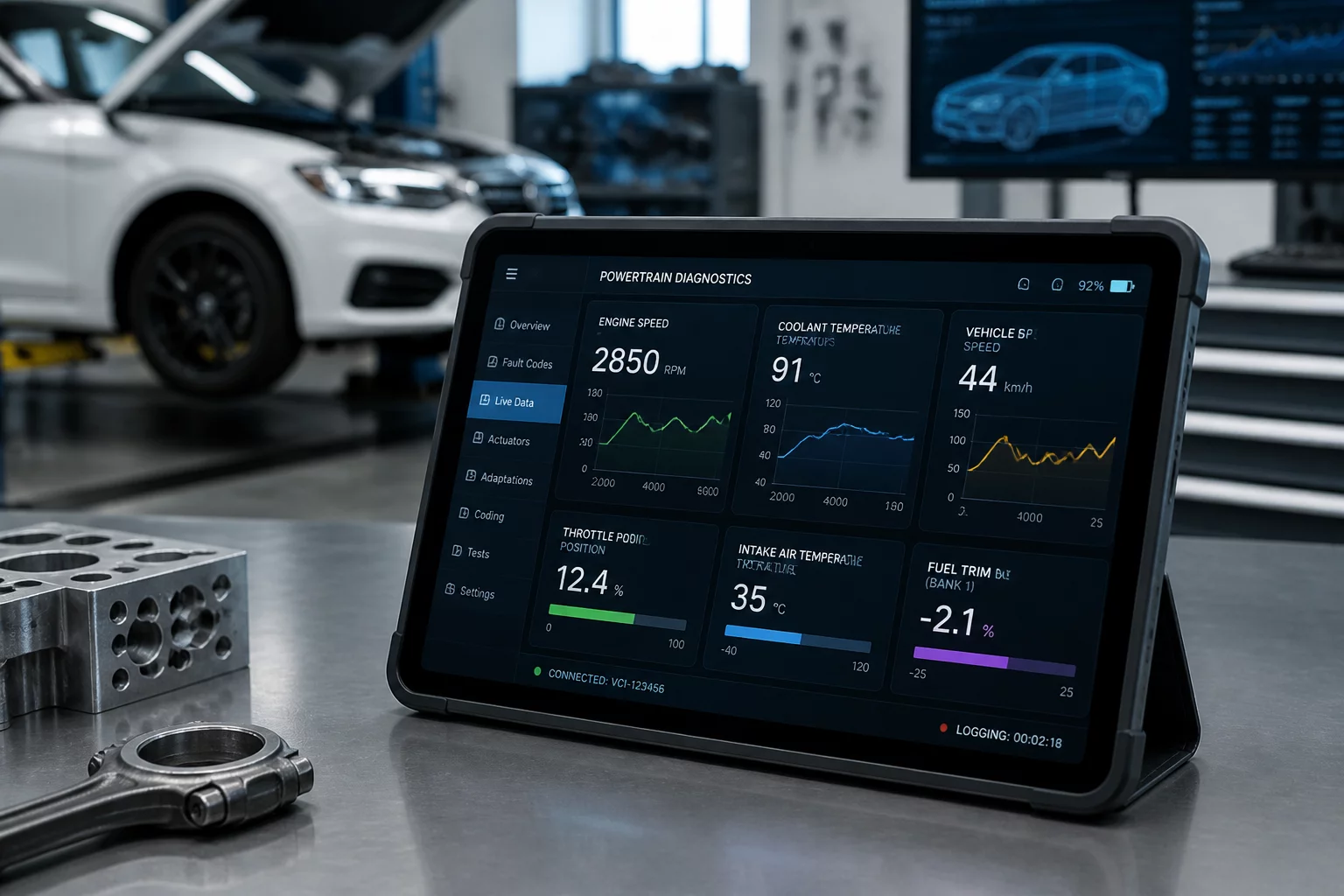
During the recent SAE OBD Symposium, Softing Automotive presented practical demonstrations focused on the operational transition to SAE J1979-2, widely referred to in engineering circles as OBD on UDS. Classic OBD-II service modes (0x01 through 0x0A) have served emissions monitoring for decades over standard CAN networks. However, modern multi-core domain controllers and high-throughput vehicle networks require a unified diagnostic architecture capable of handling granular telemetry without protocol translation bottlenecks.
Softing demonstrated how their diagnostic toolchains natively interface with 22-based data identifiers (DIDs) and 19-based DTC readout structures defined under ISO 14229-1 and SAE J1979-2. By removing legacy parameter identification constraints, engineering workstations can extract multi-frame freeze frames, extended operational environmental records, and comprehensive readiness indicators across multiple microcontrollers in a single request transaction.
High-Speed DoIP Stack Implementation & Real-World Latency
A central highlight of the symposium demonstration was Diagnostic over Internet Protocol (DoIP, ISO 13400) execution over 100BASE-T1 and 1000BASE-T1 automotive Ethernet links. Softing highlighted telemetry throughput increases exceeding 40 times the maximum payload rate of traditional 500 kbps CAN bus connections. This high data rate allows real-time synchronous parameter sampling across distributed powertrain and energy management modules without causing bus congestion or dropping telemetry frames.
Peer Discussion & Technical Notes
No comments yet. Be the first to share a technical note or observation.
Leave a Peer Technical Comment