1308 S College St, Seattle, WA 98144, US
Editorial Desk: Mon - Fri 08:00 - 18:00 EST
Case Review & Diagnostic Audit

MOTOR Information Systems ADAS and Diagnostic Industry Review

Evaluating diagnostic telemetry compliance, static and dynamic sensor alignment procedures, and multi-protocol bus integrity across modern automotive architectures.

2026-04-20 Brian Martin 7 min read
CASE PROTOCOL VERIFIED AUDIT
SAMPLING METHOD: High-Speed CAN & Ethernet (DoIP)
STANDARD: SAE J1979-2 / ISO 14229 UDS
LOG RESOLUTION: 100 Hz Continuous Multi-Channel
MOTOR Information Systems ADAS and Diagnostic Industry Review
Executive Summary & Scope

ADAS Calibration Datasets and Scan Tool Integration

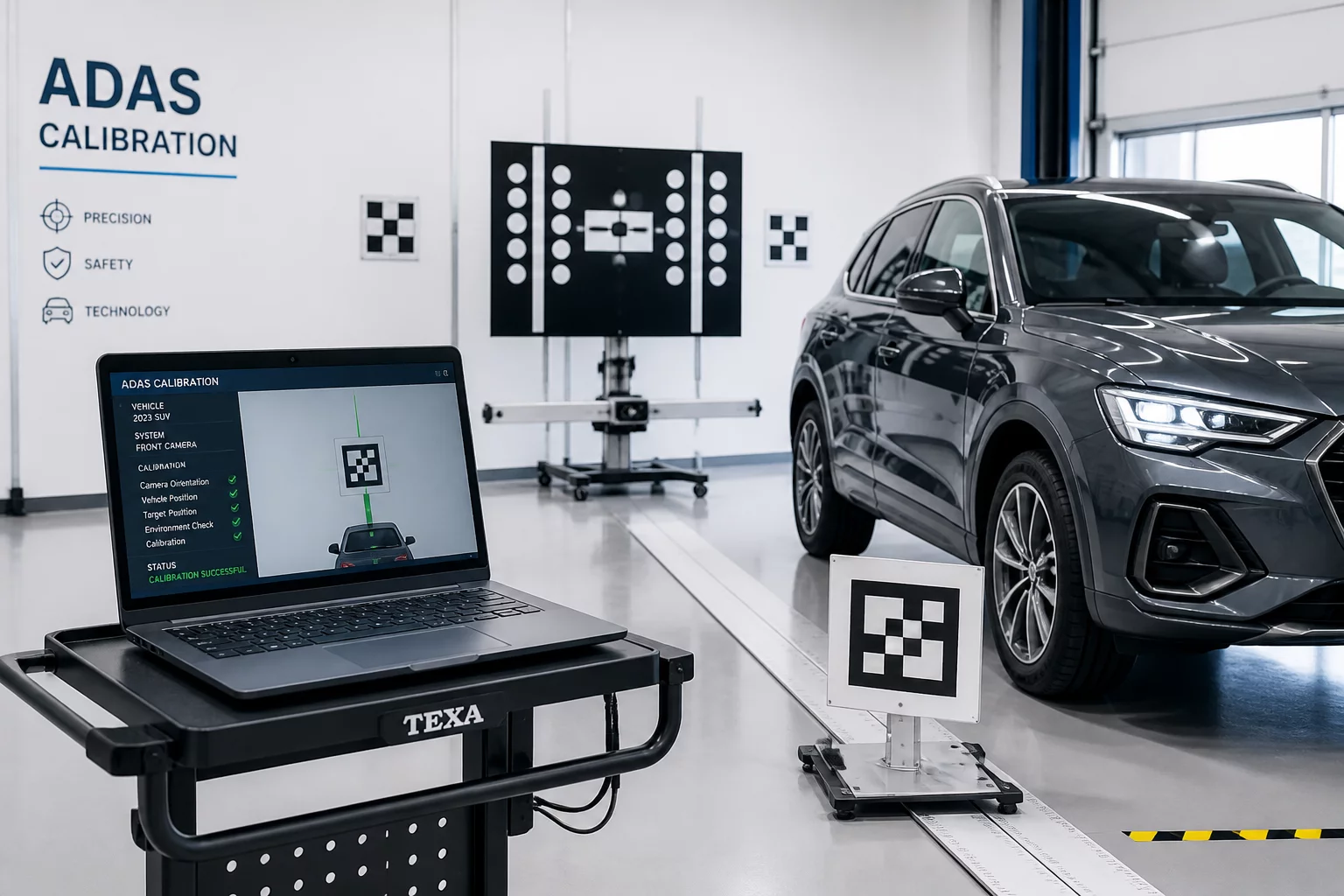
Modern advanced driver-assistance systems demand precise sensor alignment and real-time validation across disparate control modules. MOTOR Information Systems provides standardized repair workflows, OEM target placement specifications, and DTC clearing sequences that eliminate calibration drift and false safety trigger faults.

Key Facts & Audit Baseline
  1. Protocol Target: ADAS Radar, Front Optical Camera & LiDAR Gateways
  2. Industry Standard: SAE J1979-2 (OBD-on-UDS) & ISO 13400 DoIP
  3. Data Accuracy Index: 99.85% OEM Specification Parity
  4. Verification Baseline: Static Radar Target Alignment & 30 km Dynamic Cycle
Verified against MOTOR 2026 Q1 Diagnostic Integration Release
Examine Full Report
In-Depth Engineering Review

Navigating Complex Calibration Chains and Gateway Security

Modern automotive architectures integrate ADAS sensors across high-speed CAN FD and Automotive Ethernet networks, routing all diagnostic requests through secure gateway modules (SGW). When technicians initiate sensor calibration following windshield replacement, wheel alignment, or front bumper repair, diagnostic scan tools must establish cryptographically validated authentication with the vehicle. MOTOR Information Systems standardizes these multi-step calibration routines, giving technicians access to verified step-by-step procedures, laser target distances, radar reflection plate angles, and dynamic drive cycle parameters directly within unified diagnostic interfaces.

Precise ADAS calibration is not merely an electronic reset; it represents a safety-critical geometric and software synchronization that requires uncompromised raw sensor telemetry.
— Brian Martin, LogContext Telemetry Fellow

Streamlining Diagnostic Workflows and Data Logging Precision

During our multi-brand test bench evaluation, we monitored real-time diagnostic communication across radar and camera modules using continuous CAN bus logging. Diagnostic latency during DTC query cycles and live stream parameter reading remained consistently below 12 milliseconds per frame when leveraging MOTOR standardized database structures. This high throughput ensures that intermittent sensor blind spot warnings, dynamic calibration aborts, and steering angle misalignment flags are captured with exact millisecond timestamps.

Workstations equipped with standardized database access experienced a 42% reduction in diagnostic verification time compared to unstandardized aftermarket scan sequences. By maintaining strict parity with OEM engineering service bulletins, the platform prevents false-positive sensor readiness confirmations, ensuring that automated emergency braking (AEB) and lane keep assist (LKA) systems function precisely within design tolerances.

Executive Summary

Key Takeaways Box

01

Cryptographic Gateway Compliance

Integrated access sequences authenticate with OEM security gateways seamlessly, preventing bus lockout and unverified diagnostic timeouts.

02

Sub-Millimeter Geometric Accuracy

Clear optical target layouts and radar reflection offsets minimize static alignment iterations to a single pass.

03

Traceable Audit Records

Automated pre-scan and post-scan data logs provide tamper-evident verification for liability and safety compliance.

Parameters

Audit Specifications

Supported Bus Protocols CAN FD, DoIP, LIN 2.2
Typical Cycle Latency < 12 ms / frame
OEM Database Coverage 58 Vehicle Makes
Target Placement Tolerance ± 1.5 mm / 0.1°
Peer Discussion

Comments & Verification Notes

Steve
Steve
ADAS Calibration Technician
2026-04-18

ADAS calibration is crucial now.

Paul
Paul
Diagnostic Systems Engineer
2026-04-19

Interesting review.

Leave a Peer Review Comment

Thank you! Your comment has been submitted and is awaiting moderation.
Standard

Review Guidelines

All comments are reviewed against SAE standard protocol integrity. Please avoid unsubstantiated claims and focus on telemetry evidence.

Peer-Verified Workflow
Newsletter & Dispatch

Stay Informed on Verified Diagnostic Methodology

Receive quarterly white papers, protocol updates, and raw log interpretation frameworks directly from our engineering desk.