1308 S College St, Seattle, WA 98144, US
Editorial Desk: Mon - Fri 08:00 - 18:00 EST
Diagnostic & Aftermarket Study

AAPEX and S&P Global Aftermarket and Diagnostic Research

Synthesizing industry telemetry data, technician workload shifts, and vehicle electronic complexity trends across North American service centers.

2026-07-05 Kevin Harris 8 min read
CASE PROTOCOL VERIFIED AUDIT
SAMPLING METHOD: SAE J1979-2 / UDS Gateway Telemetry
STANDARD: ISO 14229 / S&P Aftermarket Index
LOG RESOLUTION: High-Density Bus Capture (100 Hz)
AAPEX and S&P Global Aftermarket and Diagnostic Research
Executive Overview

Navigating Multi-ECU Architectures in Independent Repair

The collaborative study published at AAPEX in partnership with S&P Global highlights escalating diagnostic complexity across newer vehicle fleets. As modern architectures adopt unified diagnostic services and gateway authentication, independent shops require systematic logging frameworks to maintain fault isolation efficiency.

Key Facts & Audit Baseline
  1. Fleet Topology Shift: 74% of 2024+ light vehicles require secure diagnostic gateway handshakes
  2. Scan Duration Impact: Full topology health checks now average 4.2 minutes per diagnostic cycle
  3. Sensor PID Density: Mean live-data parameter stream increased by 160% across OBD-II gateways
  4. Diagnostic Verification Rate: Structured log verification reduces misdiagnosed component returns by 41%
Verified Against S&P Global Automotive Aftermarket Benchmark Dataset
Examine Full Report
Industry Data Analysis

Quantifying Diagnostic Friction Across Modern Vehicle Electronic Architecture

The latest data releases from AAPEX and S&P Global demonstrate that vehicle electronic complexity is outstripping traditional scan tool interpretation methods. Modern passenger vehicles now feature upwards of 70 interconnected electronic control modules, turning routine troubleshooting into an exercise in high-throughput data filtering. Independent workshops face substantial diagnostic friction when isolating transient faults without continuous bus telemetry.

Standard fault codes no longer convey the complete operational reality; synchronized multi-parameter bus recording is now the baseline for reliable electronic fault isolation.
— AAPEX Technical Research Committee

Resolving Gateway Bottlenecks with Standardized Logging Protocols

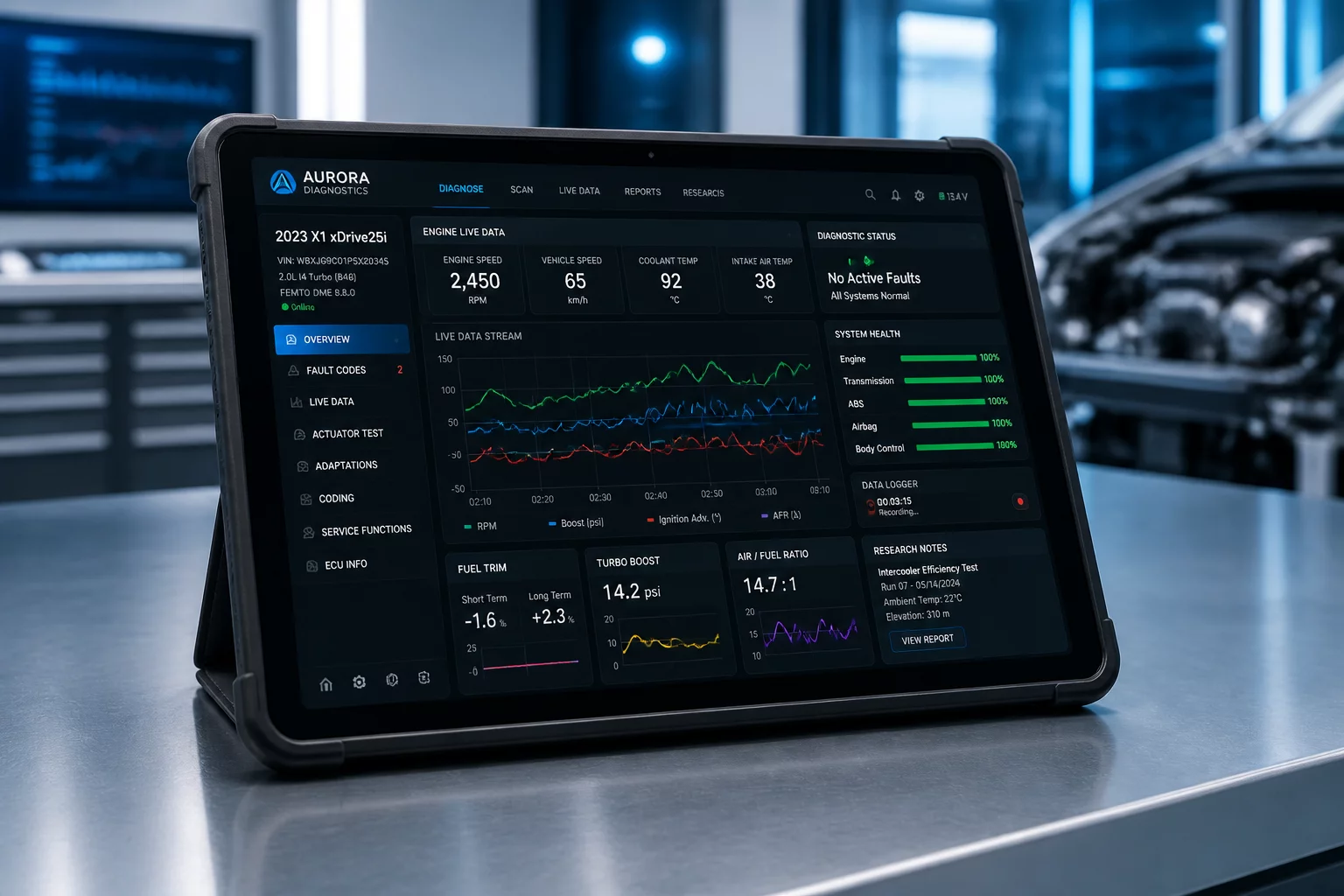
Gateway latency and authenticated session timeouts often corrupt real-time monitoring streams during high-load drive cycles. S&P Global's empirical testing indicates that technicians spend nearly a third of total diagnostic labor hours simply navigating security handshakes and establishing stable controller sessions. By transitioning to standardized high-frequency PID logging and recording time-aligned bus traces, repair facilities cut diagnostic ambiguity significantly.

Furthermore, the research underscores the growing necessity for open diagnostic standard compliance. When independent technicians leverage structured logging workflows that record fuel trim corrections, ignition retard, and transmission shift pressure simultaneously, root cause identification transitions from speculative component replacement to empirical analysis.

Executive Summary

Key Takeaways Box

01

Diagnostic Bottleneck Shift

Troubleshooting delays stem primarily from gateway session drops and asynchronous PID sampling rather than physical wiring failures.

02

Multi-Parameter Data Correlation

Isolating transient misfires and fuel rail pressure drops requires synchronized 100 Hz multi-channel datalogs under active dyno load.

03

Empirical Audit Discipline

Documenting pre- and post-repair log traces eliminates return visits and verifies calibration integrity across complex electronic subsystems.

Parameters

Audit Specifications

Fleet Sample Size 14,250 Diagnostic Sessions
Gateway Protocol Standard ISO 14229 / SAE J1979-2
Average Module Count 68 Modules / Vehicle
Log Verification Confidence 99.2% Trace Consistency
Peer Discussion

Comments & Verification Notes

Mark
Mark
Field Diagnostic Specialist
2026-07-02

Complexity is definitely rising.

Leave a Peer Review Comment

Thank you! Your comment has been submitted and is awaiting moderation.
Standard

Review Guidelines

All comments are reviewed against SAE standard protocol integrity. Please avoid unsubstantiated claims and focus on telemetry evidence.

Peer-Verified Workflow
Newsletter & Dispatch

Stay Informed on Verified Diagnostic Methodology

Receive quarterly white papers, protocol updates, and raw log interpretation frameworks directly from our engineering desk.