1308 S College St, Seattle, WA 98144, US
Editorial Desk: Mon - Fri 08:00 - 18:00 EST
Regulatory Framework & Standards

EU Delegated Regulation 2026/699 Enters into Force

Technical examination of standardized diagnostic interfaces, authenticated security certificates, and unhindered vehicle telemetry access across European markets.

Jessica Taylor
•
June 30, 2026
•
7 min read
• EU Compliance
EU Delegated Regulation 2026/699 Enters into Force
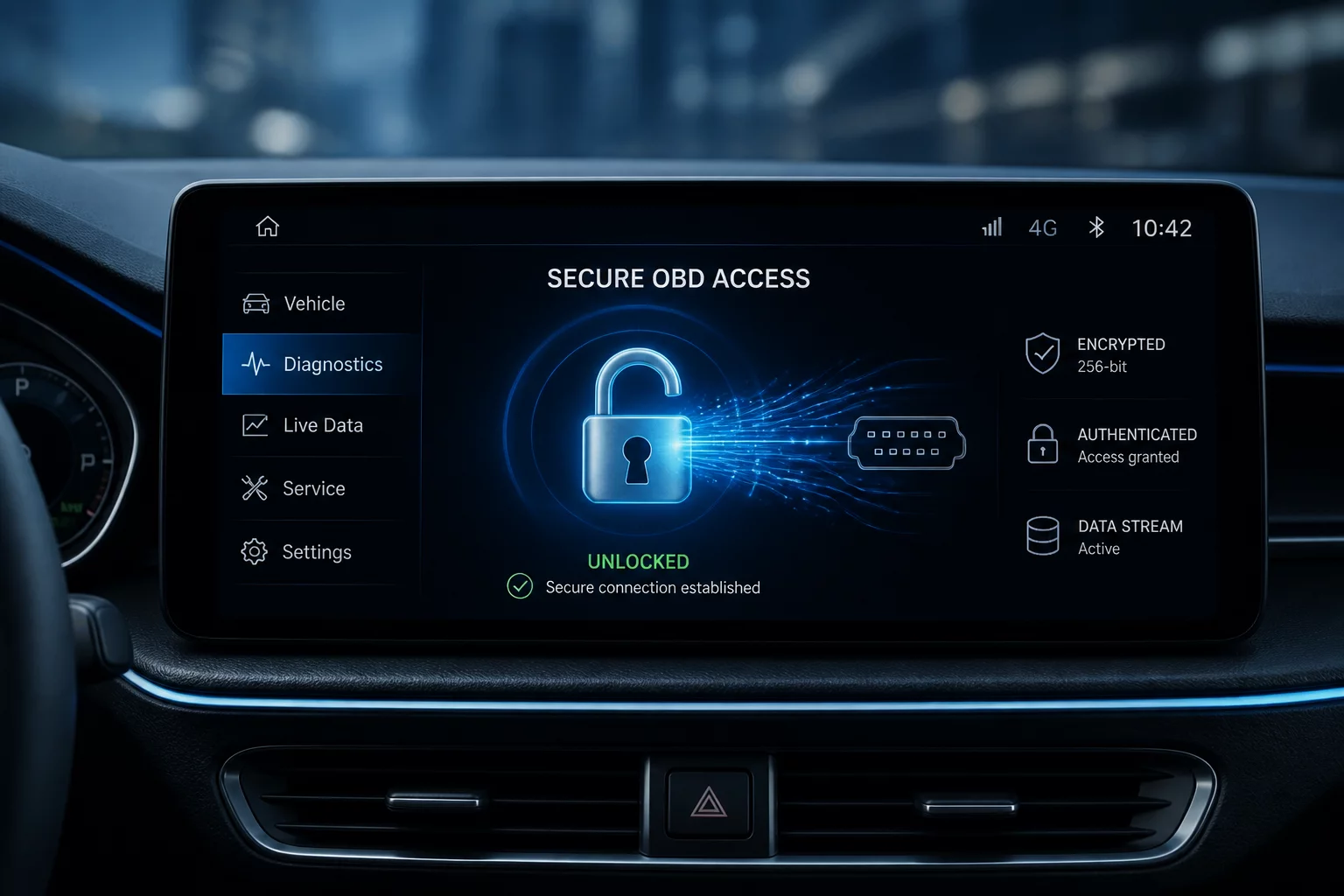
Standardized vehicle network security topology under the unified diagnostic framework established by EU Delegated Regulation 2026/699.

Regulatory Scope and Primary Mandates

The European Commission has officially enacted EU Delegated Regulation 2026/699, setting an enforceable harmonized framework for vehicle onboard diagnostics and maintenance data access. This landmark directive addresses longstanding fragmentation across automotive manufacturer proprietary security gateways. By establishing uniform technical standards, the regulation ensures that certified independent repair facilities, diagnostic software publishers, and fleet maintenance teams maintain unhindered, real-time access to critical electronic control unit telemetry.

Vehicle manufacturers operating within the European Union must now provide standardized application programming interfaces alongside verified digital certificate channels. These interfaces eliminate artificial communication throttling and closed proprietary software barriers, establishing a level playing field for multi-brand test platforms without compromising vehicle cybersecurity infrastructure.

Integration with Cybersecurity Frameworks

While UNECE R155 and R156 established rigorous baseline requirements for cybersecurity management systems, Regulation 2026/699 specifies how those security controls must interact with standard diagnostic tools. Instead of allowing vehicle manufacturers to implement isolated, closed authentication systems, the European Union now requires interoperable public key infrastructure (PKI) models that permit authorized diagnostic platforms to exchange cryptographic session tokens seamlessly.


Technical Interface and Diagnostic Protocol Changes

Engineering teams and test bench developers must adapt their scanning tool firmware and test routines to comply with four primary functional pillars defined in the regulation technical annexes:

  1. 01
    Unified Trust Anchor Architecture: Original equipment manufacturers must recognize standardized SERMI-aligned cryptographic certificates, ending individual portal registrations for each separate vehicle brand.
  2. 02
    Deterministic Parameter Throughput: Mandatory minimum bus query response times for critical safety and emissions PID requests over both ISO 14229 (UDS) and ISO 13400 (DoIP) networks.
  3. 03
    Unfiltered Sensor Raw Stream Access: Prohibition of proprietary downsampling or synthetic abstraction on standard OBD-II data channels, ensuring raw sensor voltages and cycle counts remain transparent.
  4. 04
    Over-The-Air Diagnostic Validation: Mandated verification protocols allowing third-party testing equipment to confirm software calibration integrity following remote ECU firmware revisions.

These structural rules drastically reduce diagnostic cycle overhead, allowing field technicians and calibration analysts to capture high-resolution bus logs directly through standard SAE J2534 pass-thru adapters without proprietary hardware dongles.

Core Operational Takeaways for Service Centers

  • Single digital trust credential provides certified access to security gateways across all EU-market vehicle brands.
  • High-frequency diagnostic data polling rates are legally protected against intentional OEM bandwidth limiting.
  • Independent tool developers gain guaranteed API specifications for seamless pass-thru routine execution.

Stay Informed on Technical Vehicle Regulations

Subscribe to receive periodic editorial updates regarding OBD protocol changes, international standards, and diagnostic compliance analysis.

Frequently Asked Questions

Tool manufacturers are guaranteed non-discriminatory technical access to communication definitions and cryptographic gateway protocols, allowing multi-brand scanners to maintain complete diagnostic parity with franchised dealership scan tools.


Peer Discussion & Technical Notes

No comments yet. Be the first to share a technical note or observation.

Leave a Peer Technical Comment

Thank you! Your comment has been submitted and is awaiting moderation.